

Toyota Sensors

Sensor


Sensor
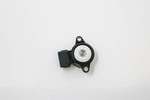


Sensor

Sensor


Sensor
Sensor

Sensor
No results found for "sensor". Here are some helpful search tips:
- Search by a part name. Example: water pump.
- Be less specific. Example: brake instead of ceramic brake.
- Remove information such as make, year or model.
- Can't find the part you are looking for? Contact us and we'll find it for you!
Frequently Asked Questions
What are the symptoms of a bad sensor in a Toyota?
Common signs of a failing sensor include a check engine light, rough idling, poor fuel economy, hard starting, or engine stalling. Specific symptoms depend on the sensor—for example, a bad crankshaft or camshaft sensor can cause a no-start condition, while a faulty O2 sensor may lead to reduced efficiency and emissions issues.
Where are crankshaft and camshaft sensors located?
The crankshaft position sensor is typically located near the crankshaft pulley or engine block, while the camshaft position sensor is found near the top of the engine, often in or around the cylinder head. Exact locations vary by Toyota model and engine, so checking your Owner’s Manual or service information is recommended.
Can you drive with a bad engine sensor?
It depends on the sensor. Some, like an O2 sensor, may allow the vehicle to run with reduced efficiency, while others—such as crankshaft or camshaft sensors—can cause stalling or prevent the engine from starting. Driving with a faulty sensor can lead to further damage or poor performance, so replacement should not be delayed.
How long do car sensors typically last?
Many sensors can last 100,000 miles or more, but their lifespan depends on heat, vibration, and exposure to contaminants. Oxygen sensors often wear out sooner due to constant exposure to exhaust gases, while other sensors may last longer but still fail over time.
When should you replace a sensor on your Toyota?
You should replace a sensor when it fails diagnostic testing, triggers persistent trouble codes, or causes noticeable performance issues like stalling, misfires, or poor fuel economy. Replacing a faulty sensor promptly helps restore proper engine function and prevents additional problems.