

Toyota Visibility Checklist: Headlights, Signals, Tail Lights, Wipers, and Auto Glass Seals
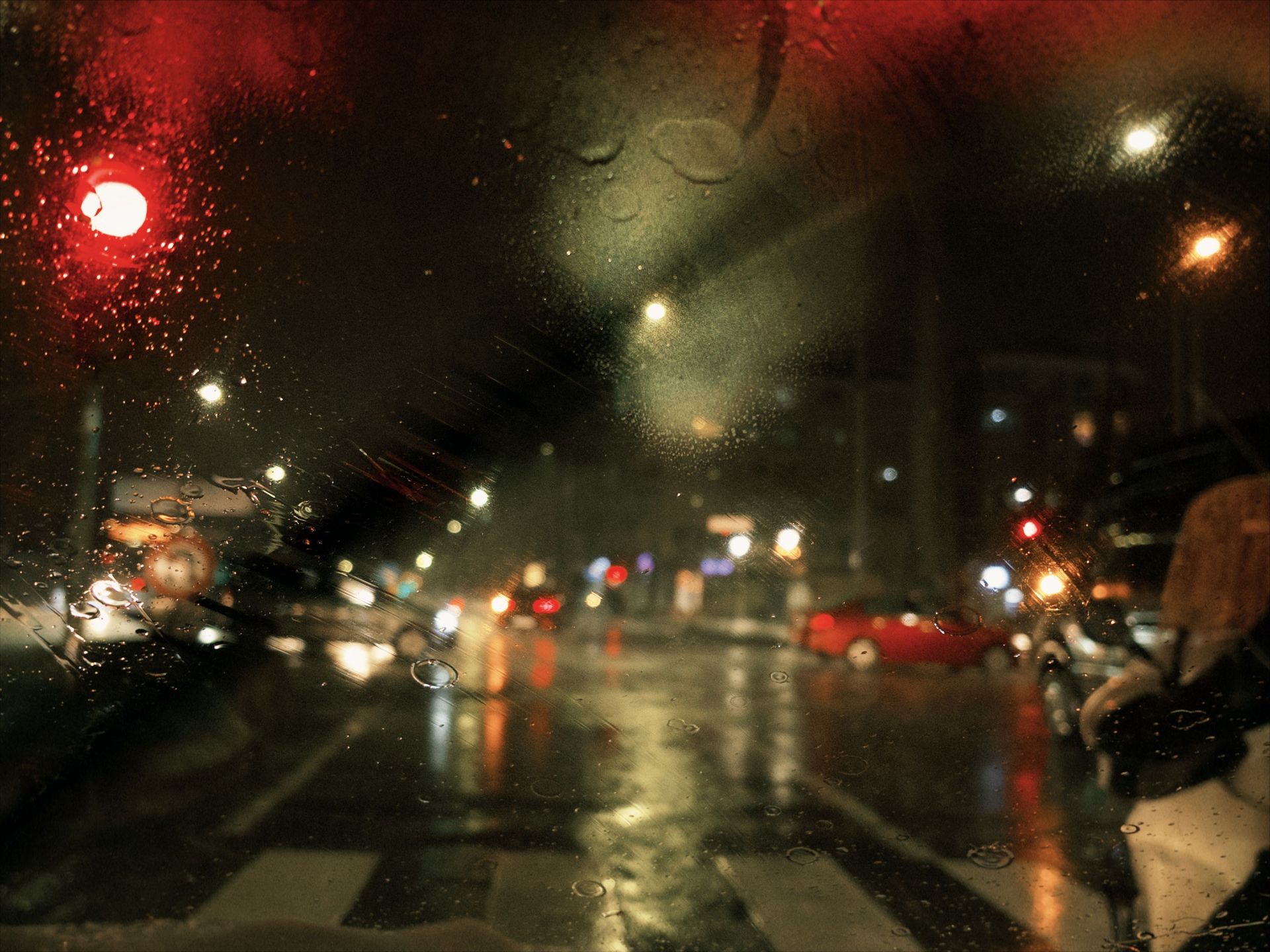
Visibility problems can become safety problems quickly. A dim headlight, weak turn signal, streaking wiper blade, cracked glass, or leaking seal can make night driving, rain, traffic, and vehicle inspections more stressful than they need to be.
This guide is a Toyota visibility system checklist. It focuses on the parts that help you see the road, help other drivers see you, and keep water, fogging, and wind noise from interfering with safe driving. It is not an engine, starting, cooling, or air conditioning guide.
The most common visibility failures are simple to spot once you know where to look:
- Burnt bulbs or failed lighting assemblies
- Hazy, cracked, or moisture-filled lenses
- Weak, streaking, or chattering wiper blades
- Slow or uneven wiper system movement
- Water leaks, fogging, or wind noise around glass seals
The Visibility System Map (What Counts as “See + Be Seen”)
A Toyota visibility system includes more than headlights. Forward lighting includes headlights and fog or driving lights. These help you see lane markings, road edges, signs, pedestrians, and hazards in low-light conditions.
Signaling lights help you communicate with other drivers. Turn signals, side marker lights, and corner lights show lane changes, turns, and vehicle position. Rear lighting includes tail lights, which help drivers behind you see your Toyota at night, in rain, and during braking or signaling.
Cabin visibility also matters. Interior lights help you see inside the vehicle, while instrument panel lights let you read speed, warning lights, and controls without distraction. Rain visibility depends on the wiper system and wiper blades. Structural visibility includes auto glass and seals, which help prevent leaks, fogging, wind noise, and visibility distortion.
Quick Symptom Checker (Match the Problem to the Right Part Category)
Dim or Uneven Headlight Output
If one headlight looks weaker than the other, inspect the lens condition, the bulb condition, the housing clarity, and the alignment. Hazy lenses, aging housings, moisture intrusion, and electrical connection issues can all reduce output.
One Side Signal Out / Hyper-Flash / Intermittent Blink
A fast-blinking signal, a signal that works only sometimes, or one side that stays dark usually points to the turn signal circuit or assembly. Inspect the bulb, socket, connector, lens, and related housing before replacing unrelated parts.
Marker Light or Corner Light Out
Marker and corner lights are easy to overlook, but they help define the vehicle’s width and position. These lights are often damaged by parking bumps, fender work, road debris, or age.
Tail Light Not Working or Moisture Inside
A failed taillight can reduce rear visibility and may create road-legal concerns. Moisture inside the lens can also affect bulbs, sockets, and connectors over time.
Can’t See Controls at Night
Dark gauges or failed instrument panel lights make night driving harder. If the speedometer, climate controls, or warning indicators are hard to read, inspect the panel lighting and dimmer settings.
Interior Lights Not Working (Doors/Dome)
Dome, map, and door lights are useful for entering the vehicle, loading cargo, and checking the cabin at night. If they fail, inspect bulbs, switches, door triggers, and related wiring.
Streaking or Chattering Wipers
Streaking often starts with worn blades, dirty glass, or hardened rubber. Chattering can also happen when blades are old, the windshield is contaminated, or the wiper arm pressure is uneven.
Water Leak, Wind Noise, or Fogging
Leaks and wind noise may come from damaged glass, worn seals, poor fitment, or previous repairs. Fogging inside the cabin can also come from water intrusion that raises interior humidity.
Headlights: Restoration vs Replacement (When It’s Time)
Headlights are the first visible part most drivers notice because poor output affects every nighttime drive. Reduced brightness can come from hazy outer lenses, aging housings, cloudy reflectors, moisture inside the assembly, weak bulbs, misalignment, or damaged connectors.
Lens restoration may help when the outer plastic is hazy, but the housing is otherwise dry, intact, and aimed correctly. Replacement becomes more practical when the assembly is cracked, heavily clouded, moisture-filled, broken at the mounts, or no longer produces balanced light.
If replacement is the better repair path, shop Toyota headlight assemblies and parts by exact model, year, trim, and lighting package.
Fog/Driving Lights: When They Help and When They Don’t
Fog and driving lights can improve close-range visibility in certain conditions, especially when aimed and used correctly. They are not a substitute for properly working headlights, and they should not be used in a way that blinds oncoming traffic.
Because these lights are often mounted low in the bumper, they are exposed to stones, water, curbs, and road debris. Cracked lenses, broken brackets, failed bulbs, and moisture intrusion are common reasons to inspect fog and driving light parts.
Corner Lights, Side Markers, and Turn Signals (The “Communicate Your Intent” Group)
Signals and marker lights help other drivers predict your movement and see the edges of your vehicle. These parts often get damaged during minor parking impacts, fender repairs, bumper work, or normal aging of lenses and seals.
Corner Lights
Corner lights help improve side visibility near the front corners of the vehicle. If a lens is cracked, cloudy, loose, or not lighting, compare corner light assemblies that match your Toyota.
Side Marker Lights
Side markers help other drivers see your vehicle from an angle. A missing or failed marker light can make the vehicle less visible at night. Use side marker light parts when replacing damaged or non-working marker components.
Turn Signals
Turn signals are essential for lane changes, turns, and traffic communication. Hyper-flash, dim output, broken lenses, or intermittent function should be inspected promptly. Shop turn signal light parts by exact fitment.
Tail Lights: Visibility From Behind + Weather Sealing
Tail lights help drivers behind you judge your position, width, and movement. A failed tail light can be dangerous in darkness, rain, fog, or heavy traffic. Cracks and moisture inside the housing can also cause corrosion, poor socket contact, or repeated bulb problems.
If the lens is damaged or the housing no longer seals correctly, replacing the assembly may be smarter than chasing repeated electrical issues. Browse tail light assemblies for your Toyota model and body style.
Interior & Instrument Panel Lighting: Night Driving Without Distraction
Interior and dashboard lighting can seem minor until it fails at night. If you cannot read the controls or warning lights clearly, you may spend too much time looking away from the road.
Interior Lights
Interior lights include dome, map, cargo, and door-area lighting, depending on the vehicle. If the cabin stays dark, inspect interior light parts, switches, and related housings.
Instrument Panel Lights
Instrument panel lights help you read speed, fuel level, warnings, and system status. Dim or failed gauge lighting should be addressed before it becomes a night-driving distraction. Check the instrument panel light parts when planning repairs.
Wiper Systems vs Wiper Blades: Fix the Right Layer
Wiper Blades
Wiper blades are the usual first suspect when the windshield streaks, skips, squeaks, or leaves water behind. Rubber can harden from the sun, heat, age, and road grime. Cleaning the windshield may help, but worn blades should be replaced before the heavy rain season. Shop windshield wiper blades that match the arm style and size.
Wiper System Components
If new blades still do not wipe correctly, the problem may be deeper. Slow movement, uneven sweep, loose arms, poor park position, or one wiper moving differently than the other can point to the wiper motor, linkage, arms, or related system parts. For those repairs, review the windshield wiper system parts.
Auto Glass and Seals: Stop Leaks, Wind Noise, and Fogging
Auto Glass
Chips, cracks, scratches, and distortion can affect visibility, especially when sunlight or oncoming headlights hit the glass. Damage in the driver’s line of sight should be addressed quickly. If replacement is needed, use Toyota auto glass matched to the vehicle’s body style and equipment.
Auto Seals
Glass seals help keep water, wind, and road noise outside the cabin. Worn seals can cause whistling, damp carpets, fogging, mildew smells, or water stains. These issues may be more obvious after rain or a car wash. Inspect Toyota glass seals when leaks or wind noise appear around the windshield, windows, or fixed glass.
Buying the Right Toyota Visibility Parts Online (Fitment Checklist)
Before ordering lighting, wiper, or glass parts, gather the VIN, model year, trim level, body style, and any lighting package details. Toyota parts can vary by sedan, hatchback, SUV, truck, hybrid trim, sport package, or advanced lighting option.
For lamps, compare lens shape, mounting points, connector style, and whether the vehicle uses standard, projector, LED, or other package-specific lighting. For wipers, confirm blade size and arm design. For glass and seals, confirm body style, sensors, trim, and related equipment.
If you cannot find the exact lamp category, use other Toyota lighting parts as a catch-all while verifying fitment before purchase.
Frequently Asked Questions
Why Does One Headlight Look Dimmer Than the Other?
Common causes include a hazy lens, an aging bulb, moisture inside the housing, poor alignment, a weak connection, or an older assembly on one side. Compare both headlights in the same lighting conditions before ordering parts.
Can Moisture in a Tail Light Cause Electrical Problems?
Yes. Moisture can corrode sockets, weaken connections, shorten bulb life, and create intermittent lighting issues. If the housing no longer seals, replacement may be more reliable than repeated bulb changes.
Why Do New Wiper Blades Still Streak?
The windshield may be dirty, oily, scratched, or coated with residue. The wiper arm may also have weak pressure or poor alignment. If new blades do not solve the issue, inspect the full wiper system.
Are Glass Leaks Always the Windshield?
No. Water can enter through windshield seals, door glass seals, quarter glass, rear glass, sunroof drains, body seams, or previous repair areas. Trace the leak carefully before replacing parts.
A clear visibility checklist helps you handle safety issues before they become bigger problems. Inspect lights, signals, tail lights, wipers, auto glass, and seals together, then order Toyota-fit parts that match your exact vehicle and equipment.