

Toyota Brake & Safety System Checklist: Pedal Feel, ABS Lights, Parking Brake, Seat Belts, and Airbags
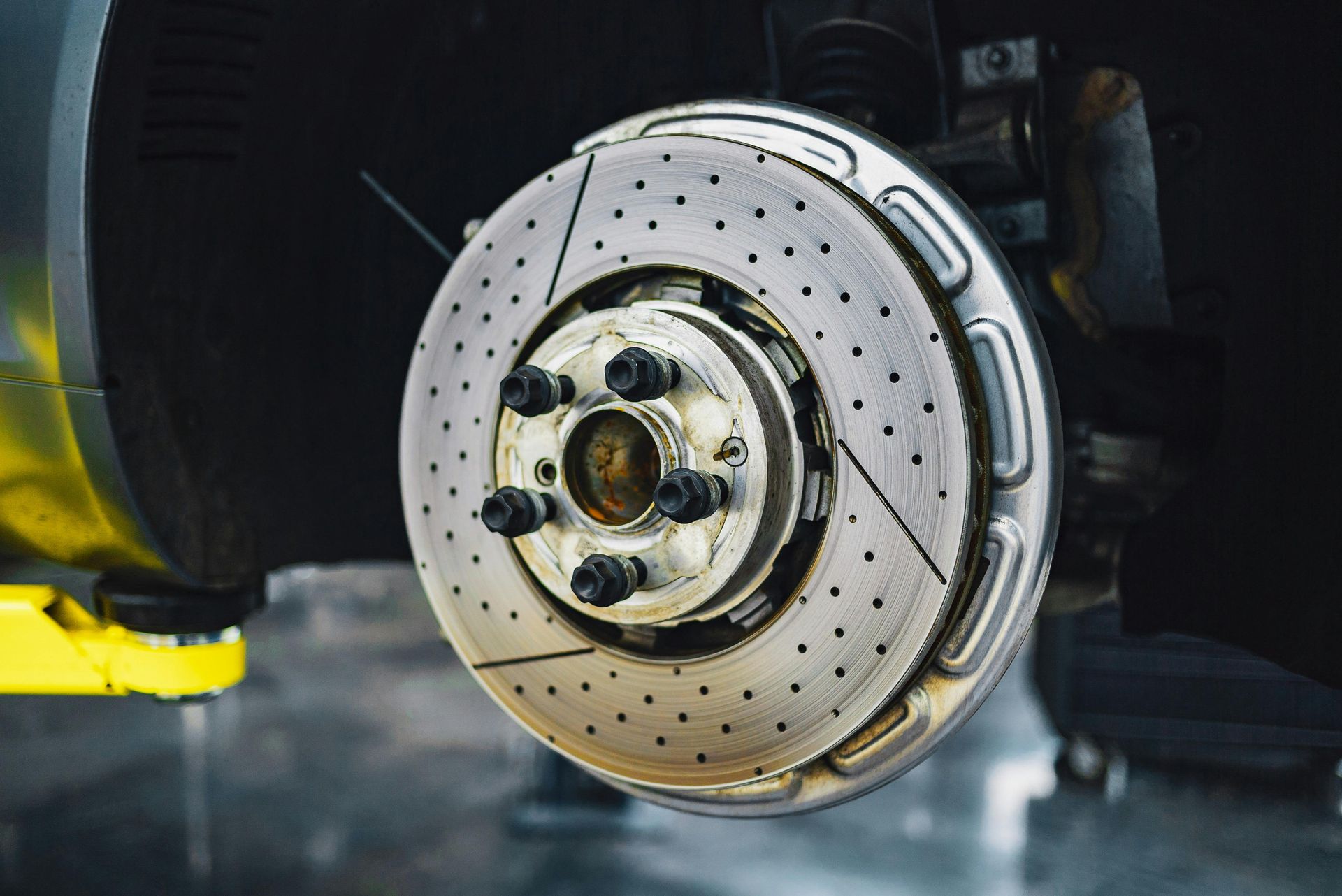
This is a safety checklist for Toyota owners who want to understand brake and restraint system concerns before shopping for parts. It focuses on stopping power, vehicle control, parking brake function, seat belts, airbags, and related warning signs. It is not an engine starting, overheating, or air conditioning guide.
Common reasons drivers look for brake and safety parts include a soft brake pedal, pulling while braking, grinding noises, an ABS light, weak parking brake hold, or a seat belt or airbag warning. These symptoms should be handled early because they can affect stopping distance, stability, and crash protection.
Brake fluid loss, metal grinding, a sinking pedal, ABS warnings, or an airbag light should not be ignored. If the vehicle feels unsafe to stop or control, avoid normal driving until the system is inspected.
Safety Systems Map (Braking + Restraints Work Together)
The braking system creates stopping power through two main layers: hydraulic pressure and friction. Hydraulic parts move brake fluid pressure from the pedal to the wheels. Friction parts, such as pads, shoes, drums, and calipers, turn that pressure into a stopping force.
ABS adds a control layer during certain hard braking situations. It helps reduce wheel lockup so the driver can maintain more steering control. The parking brake helps hold the vehicle when parked and can also serve as a backup holding system, depending on vehicle design.
Restraint systems are separate but just as important. Seat belts help hold occupants in position, while airbags are designed to help provide additional protection in certain collisions. Diagnosis is best done by system: pedal feel, warning lights, rear brake behavior, and restraint concerns, each of which points to different parts.
Symptom-to-Parts Triage (Fast Path to the Right Category)
Soft or Sinking Brake Pedal
A soft or sinking pedal often points to the hydraulic side of the system. Possible causes include air in the brake fluid, a master cylinder concern, damaged brake lines, aging hoses, or fluid leaks. Do not assume new pads will fix a pedal problem.
Pulling to One Side or Uneven Braking
A Toyota that pulls when braking may have a sticking caliper, uneven pad wear, a restricted hose, contaminated friction material, or another front-end issue. Inspect both sides because the faulty side may be the one applying too little or too much force.
Rear Brake Issues on Drum-Equipped Vehicles
Rear brake noise, weak rear braking, dragging, or a low pedal can involve drum hardware, shoe adjustment, springs, or wheel cylinders. Drum systems should be inspected as a complete group because one worn part can affect the others.
Parking Brake Won’t Hold
If the parking brake travels too far, binds, will not release, or does not hold the vehicle, inspect the cables and rear brake hardware. Adjustment may help in some cases, but damaged or seized cables need replacement.
ABS Light or Stability Warnings
An ABS or stability warning may involve ABS components, wheel-speed information, sensors, switches, wiring, or related signal issues. The base brakes may still work, but the safety control layer may be limited.
Towing or Trailer Braking Concerns
When towing with a properly equipped Toyota, trailer braking affects heat, stability, and stopping distance. Trailer brake issues should be handled before hauling, not after a warning sign appears on the road.
Pads & Shoes: Wear Items and What Normal Wear Looks Like
Disc brake systems use pads that press against rotors. Drum brake systems use shoes that press outward against the drum. Both are wear items, but fitment still matters because size, shape, hardware, and brake package can vary by Toyota model and trim.
Signs you may be past due include squealing, grinding, reduced braking bite, vibration, or visible low-friction material. Normal wear is usually fairly even. One pad or shoe wearing much faster than the other can point to a caliper, hardware, hose, or adjustment problem. Shop brake pads and brake shoes by exact vehicle fitment.
Caliper Parts: The Hidden Cause of Pulling and Uneven Wear
Calipers apply braking force in disc brake systems. When a caliper sticks, slides poorly, leaks, or has seized hardware, the vehicle may pull, drag, overheat one wheel, or wear one pad much faster than the other.
Torn boots, corroded slide pins, damaged seals, or binding movement should be addressed during inspection. If fluid contamination or heat damage affects the pads, related friction parts may also need replacement. Choose caliper replacement parts that match the Toyota brake package.
Master Cylinder: The Pressure Source Behind Pedal Feel
The master cylinder turns pedal input into hydraulic pressure. If it cannot hold pressure correctly, the pedal may feel soft, sink slowly, or require extra travel before the brakes respond.
Some failures show up as external leaks, while others may involve internal bypassing where pressure is not maintained as expected. Because similar symptoms can come from brake lines, hoses, or air in the system, the hydraulic system should be tested before replacing parts. If the diagnosis points to this area, compare the master cylinder parts.
Brake Lines and Brake Hoses: Leak Prevention and Brake Feel
Brake Lines
Brake lines carry fluid pressure through the vehicle. Corrosion, physical damage, leaking fittings, or crushed sections can reduce brake performance and create a serious safety concern. Rusty or wet areas near lines should be inspected promptly. Use brake line components when damage or leakage is confirmed.
Brake Hoses
Brake hoses handle movement between the body and wheel-end brake parts. With age, they can crack, swell, restrict fluid flow, or leak. A restricted hose can sometimes make a caliper drag or release slowly. Inspect brake hose replacement parts when the brake feels, pulls, or shows uneven wear, which suggests a hydraulic restriction.
Drum Brakes: Drums/Hardware + Wheel Cylinders
Drums and Hardware
Drum brake hardware includes springs, retainers, adjusters, and related pieces that help the shoes move and return correctly. If hardware is weak, rusty, stretched, or installed incorrectly, rear brake performance and parking brake feel can suffer. During rear brake service, check the drum brake hardware and friction parts.
Wheel Cylinders
Wheel cylinders push the brake shoes outward in drum brake systems. Leaks, seepage, uneven rear braking, or fluid inside the drum can point to wheel cylinder wear. Leaked fluid can contaminate shoes, so inspect the full assembly before replacing only one part. Browse wheel cylinders for drum brakes when planning rear brake repairs.
Parking Brake Cables: Holding Power and Common Failure Modes
Parking brake cables can stretch, bind, rust, or seize. Common symptoms include poor hold on an incline, uneven rear engagement, a pedal or lever that travels too far, or brakes that drag after release.
Some parking brake concerns are adjustment-related, but damaged cables should not be ignored. A dragging cable can create heat and premature wear. Select parking brake cables that match the exact Toyota model and rear brake setup.
ABS System Parts + Sensors/Switches: What the Warning Light Usually Means
ABS helps maintain control during certain hard braking events by reducing wheel lockup. It does not replace good tires, healthy brakes, or safe following distance, and it does not guarantee shorter stops in every condition.
The system depends on reliable signals. Wheel-speed information, brake pedal inputs, switches, sensors, wiring, and control parts all help the system decide what to do. If the ABS or stability light stays on, scan data and inspection should guide the repair. Review ABS system parts and brake sensors and switches after confirming the fault path.
Trailer Brakes: Pre-Tow Safety Checklist
If your Toyota is properly equipped for towing, trailer braking should be inspected separately. Extra weight increases brake heat and stopping distance, and a poorly working trailer brake system can affect stability.
Before towing, check trailer brake operation, wiring connectors, breakaway equipment, load balance, tire condition, brake adjustment, and the tow vehicle’s brake condition. If parts are needed, shop for trailer brake parts that match the trailer setup.
Seat Belts and Airbags: Parts-Oriented Safety Info (No DIY Procedures)
Seat belts and airbags are restraint systems, so this section is informational and fitment-focused. Warning lights, crash history, damaged parts, or restraint faults should be diagnosed with the proper equipment and service information.
Seat Belt Parts
Seat belt concerns can include slow retraction, damaged webbing, buckle issues, locking problems, or trim damage around the belt path. A seat belt that does not latch, retract, or lock correctly should be inspected. Browse seat belt parts by exact Toyota fitment.
Safety Airbags + Airbag Parts
An airbag warning light should not be ignored. It may involve airbags, wiring, sensors, connectors, modules, or related restraint components. Do not probe or bypass airbag wiring. If replacement is required after diagnosis, use Toyota safety airbags and airbag replacement parts matched to the vehicle exactly.
Safety/Security Other
For related restraint or security pieces that do not fit the main categories, use other safety and security parts as a catch-all while verifying fitment carefully.
Buying the Right Toyota Brake & Safety Parts Online (Fitment Checklist)
Before ordering, gather the VIN, model year, trim, engine, brake package, production details, and whether the vehicle uses rear disc or drum brakes. Toyota brake parts can vary by rotor size, caliper design, axle, drivetrain, tow equipment, and trim.
Safety components must match the vehicle specification exactly. Seat belts, airbags, sensors, and related parts are not universal. If a brake item does not fit one of the main categories, check other Toyota brake parts while confirming compatibility before purchase.
Frequently Asked Questions
Why is my pedal soft if pads look fine?
A soft pedal is usually a hydraulic concern, not a pad thickness concern. Air, leaks, hose issues, master cylinder problems, or low fluid can create a soft pedal even when the pads still have material left.
Can a sticking caliper cause a pull?
Yes. A sticking caliper can make one side brake harder, drag longer, or release slower than the other side. This can cause pulling, heat, uneven pad wear, and reduced brake smoothness.
What should I check first when the ABS light comes on?
Start with a scan and visual inspection. Check for damaged wiring, wheel-end issues, sensor problems, low voltage concerns, or related brake warnings before replacing parts.
Do drum brakes need new hardware when serviced?
Not always, but hardware should be inspected every time. Weak springs, rusty retainers, or worn adjusters can cause noise, poor shoe return, and uneven rear braking.
A smart Toyota brake and safety repair plan starts with symptoms, then separates friction, hydraulic, ABS, parking brake, towing, and restraint-system concerns. Confirm fitment with your VIN, address warning lights promptly, and choose parts that match the exact system on your vehicle.